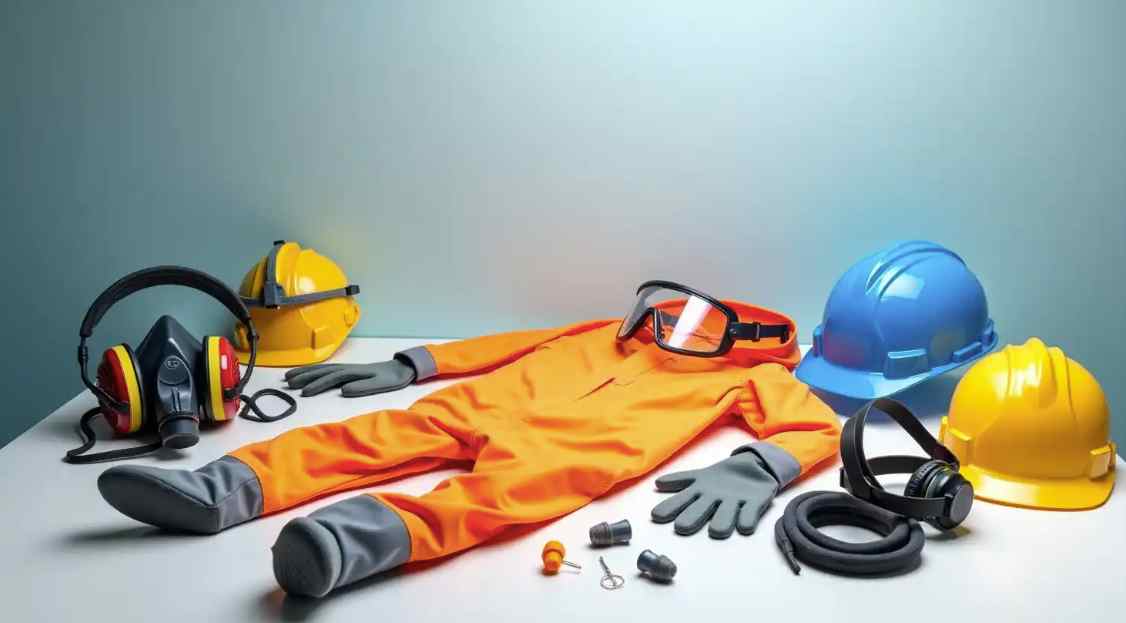
Workplace injuries happen fast. One moment, everything is fine; the next, someone is hurt. Most of the time, the right personal protective equipment could have prevented it. PPE is the last line of defense between your workers and a serious injury.
The good news is that getting started is not complicated. Whether you run a construction site, a factory, or a warehouse, the basics remain the same. Browse a full range of options of Personal Protection Equipment Kits to find what fits your workplace.
What Counts as PPE?
PPE covers any equipment worn to reduce risk. It protects the head, eyes, hands, feet, and body from hazards like falling objects, chemicals, heat, and sharp materials.
Common types include:
- Hard hat: protects against falling objects and head impact
- Safety gloves: shield hands from cuts, burns, and chemicals
- Safety goggles: block dust, sparks, and chemical splashes
- High-visibility vests: keep workers visible in busy or low-light areas
- Safety boots: protect feet from heavy objects and sharp surfaces
Who Is Responsible for PPE?
This is where many workplaces get it wrong. Both employers and employees share responsibility.
-
Employer Duties
Employers must identify workplace hazards, provide the correct PPE, and make sure it fits properly. Ill-fitting equipment gives workers a false sense of security. It can fail at the worst moment.
-
Employee Duties
Employees must wear PPE correctly every time, not just when a supervisor is watching. They should also report damaged or worn-out equipment immediately. A cracked hard hat or torn glove offers little real protection.
Common PPE Mistakes to Avoid
Even workplaces that provide PPE make avoidable errors. Knowing these saves lives.
The biggest mistake is buying PPE without matching it to the actual hazard. A chemical-resistant glove and a cut-resistant glove look similar but perform very differently. Always match the equipment to the specific risk.
Another common issue is skipping maintenance checks. PPE wears out. Straps weaken, lenses scratch, and soles crack. A quick monthly check keeps equipment reliable and staff protected.
How to Build a PPE Culture at Work
Rules alone do not create safe workplaces. Culture does. When workers see that management takes PPE seriously, they follow.
Start by making PPE easy to access. If workers have to search for gloves or goggles, they will skip them. Store equipment at the point of use. Keep spares available.
Then make training part of onboarding. Every new employee should know which PPE applies to their role, how to wear it correctly, and what to do when it gets damaged. Short, practical sessions work better than long lectures.
Final Thought
PPE is not a box to tick. It is a daily habit that protects real people from real harm. The right equipment, worn correctly and maintained regularly, makes a measurable difference.
Start with a proper assessment of your workplace hazards. Then source quality equipment that matches those risks. A reliable place to start is the Safety First PPE Kits collection, built for workplaces that take safety seriously.