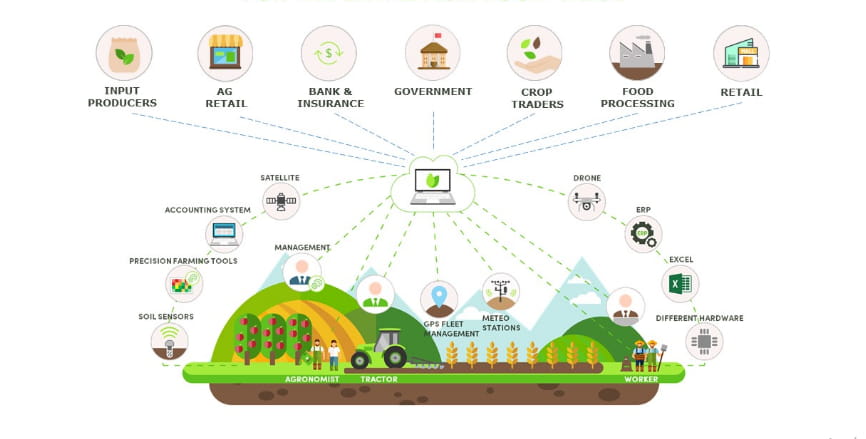
The agriculture industry is rapidly evolving, and technology is playing a pivotal role in shaping its future. One of the most transformative tools on the horizon is agriculture supply chain software, which is revolutionising how agricultural operations manage everything from production to delivery. This software is helping farmers, distributors, and retailers streamline their processes, reduce waste, and enhance transparency in the supply chain.
Efficiency in Every Step
At its core, agriculture supply chain software aims to optimise every part of the agricultural process. From planting and harvesting to packaging and distribution, this software offers real-time tracking and insights, ensuring that each step of the supply chain is as efficient as possible. By automating processes, it helps reduce human error and increase productivity, which is essential for keeping up with the demands of modern farming.
The ability to track inventory and shipments instantly allows businesses to avoid stock shortages or overproduction, saving both time and money. This efficient management is crucial in a sector where supply and demand are constantly fluctuating.
Enhanced Traceability and Transparency
With consumer demand for transparency increasing, the role of agriculture supply chain software in providing traceability is becoming ever more important. Using supply chain tracking software, every item can be traced from farm to table. This ensures that food safety standards are met and helps businesses comply with regulatory requirements. Additionally, traceability offers consumers peace of mind, knowing where their food comes from and how it was produced.
This level of transparency builds trust between producers, distributors, and consumers, which can lead to stronger relationships and increased sales.
Sustainability and Waste Reduction
Sustainability is a major concern in agriculture, and the future of farming lies in using technology to reduce waste. Agriculture supply chain software can help minimise excess production by providing insights into demand forecasting, allowing businesses to make data-driven decisions that reduce waste. Additionally, by optimising transportation routes and reducing fuel consumption, it helps lower the carbon footprint of farming operations.
Moreover, more efficient processes mean that resources like water, fertiliser, and energy are used more effectively, contributing to sustainable farming practices.
As we look to the future, it’s clear that agriculture supply chain software is set to play a central role in transforming agricultural operations. By improving efficiency, enhancing traceability, and promoting sustainability, this technology is helping the industry thrive in an increasingly competitive and eco-conscious market. Those who embrace these innovations will be better positioned to meet the challenges of modern farming.